“Our company joined ICUBE during the early stages of our development, right in the midst of the COVID-19 pandemic. At that time, we were just beginning to establish ourselves and required guidance to navigate the unique challenges of a start-up environment. The ICUBE team provided invaluable support, with special thanks to Ignacio Mongrell for his dedicated mentorship throughout our journey. We benefited from expert advice, mentorship, and wage subsidies that enabled us to hire student talent during our initial phase. Thanks to ICUBE’s ongoing support, we have experienced significant growth and have advanced to a much later stage”.- Dr. Azizur Rahman, A.R. Environmental Solutions
A.R. Environmental Solutions (ARES) is paving the way to advancing sustainable innovations that empower communities, particularly indigenous farmers, in their collaboration with the Philippines’ local government. The company was nurtured through ICUBE’s Venture Forward program and founded by Dr. Azizur Rahman, President and CEO at the Centre for Climate Change Research (CCCR) at the University of Toronto. ARES is dedicated to tackling environmental challenges in agriculture through organic technologies that eliminate synthetic chemicals, restore soil and water health, and reduce greenhouse gases.
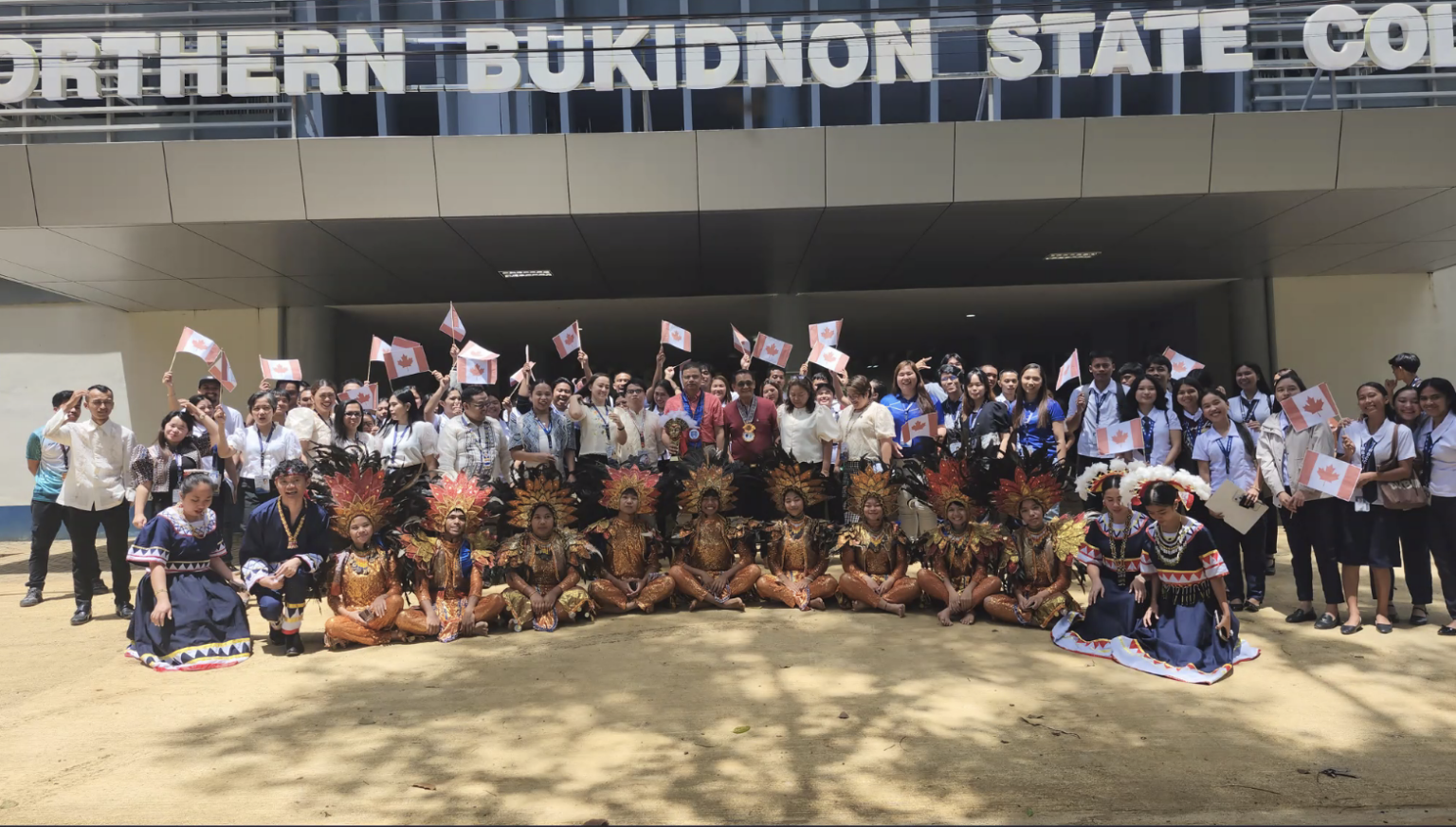
The signing with the Philippines transpired on September 29, 2025, culminating in a Memorandum of Agreement in partnership with Northern Bukidnon State College (NBSC) and CCCR. This marks the launch of Project KABILIN+, an initiative designed to empower Indigenous peoples and forest-dependent communities by introducing traditional practices with ARES’ modern organic farming technologies.
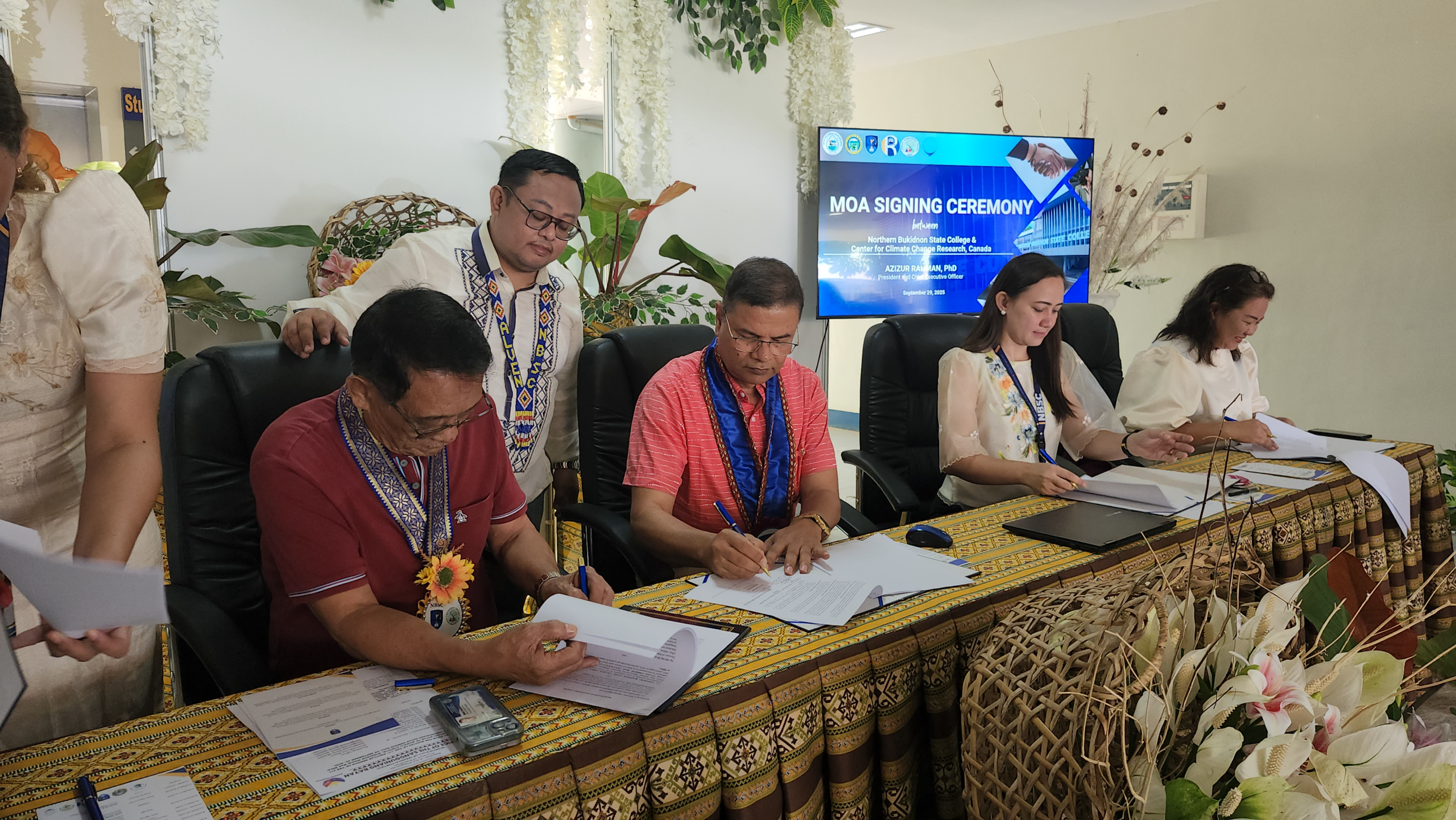
Memorandum of Agreement Signing Ceremony
Before the event, Dr. Rahman led field visits in Manolo Fortich, a Municipality in Mindanao, Philippines, to better understand cultural traditions, agricultural practices, and livelihood challenges. These engagements provided opportunities to connect with farmers, leaders, and residents, offering deeper insight into how indigenous knowledge can be integrated with scientific research to strengthen community-based programs.
During one of these field visits, Dr. Rahman explored a 15,000‑hectare coffee plantation where ARES technologies are set to be introduced. By adopting their technology, the plantation aims to double the production capacity of organic coffee and other pilot crops grown in the Philippines. The expected revenue from this is projected to reach $113 million within the next five years, with products being sold locally and exported to countries such as Japan, Germany, Italy, and Canada.
The combined efforts of NBSC, CCCR, and ARES have fostered meaningful connections among local industries and academic institutions through an international partnership between the Philippines and Canada. With the agreement now underway, ARES is well positioned to achieve its aims of enhancing agricultural productivity, safeguarding cultural heritage, strengthening community-based livelihoods, and supporting local economic development.
Project KABILIN+ marks a new era of environmental solutions. One in which Indigenous knowledge and modern science work together to promote inclusive growth, uplift the well-being of Indigenous farmers, and advance international stewardship. ARES continues to demonstrate how research-driven innovation can serve as a catalyst for environmental resilience, economic opportunity, and sustainable development. Collaboration between NBSC and CCCR remains ongoing through online meetings that advance the project’s long-term strategic plans.
Dr. Rahman shares, “Today, our company is thriving, with several innovative products now available both nationally and internationally. The mentorship and resources from ICUBE not only accelerated our product development and commercialization but also helped us secure grants and expand our business. ICUBE’s support has been instrumental in helping us achieve our goals and scale our impact in the market.” As Project KABILIN+ continues to grow, we are proud to spotlight ARES and demonstrate how their vision and efforts contribute to building more sustainable futures.
For the most recent updates from ARES, visit their website: https://ar-environment.ca/